Writing the rules of entrepreneurship on a whiteboard is easy. Turning those rules into flesh and bone? That’s the hard part.
From 2010 to 2012, I was teaching entrepreneurship at the Hong Kong University of Science and Technology (HKUST). Together with our visionary president, Tony F. Chan, we were trying to spark a Silicon Valley mindset in the heart of Asia.
So we launched a major entrepreneurship competition. More than one hundred teams applied. After several elimination rounds, only ten remained. One team of five students walked in holding a strange machine with spinning propellers.
“This device,” they said confidently, “won’t just fly. It will let the world be seen from the sky.”
The prototype was rough. The presentation needed polish. The propellers were loud.
And the questions from the jury came fast:
- How long does the battery last?
- What happens in strong wind?
- Who exactly will buy this?
- Isn’t this just an expensive toy?
The final result? They didn’t win. They placed third. To the jury, the idea felt premature. The market uncertain. The vision incomplete.
Now imagine being in your early twenties and hearing that.
“The judges didn’t get it.”
“Maybe this isn’t such a good idea after all.”
Public failure can feel like a final verdict. But this team did not quit.
Their quiet but fiercely determined leader was Frank Wang. The project that once seemed “not ready” became DJI — Da-Jiang Innovations — a company that would go on to control more than 70% of the global drone market.
What makes this story powerful is not just the market share. They didn’t simply build flying machines. They understood that the real opportunity wasn’t drones — it was vision. Stability. Cinematic perspective. The power to capture what the human eye cannot.
They didn’t compete only with gadget startups. They went head-to-head with giants like Sony, Canon, and GoPro. And they won. From drones, they expanded into handheld imaging systems — the Osmo series, the Ronin stabilizers — reshaping modern cinematography.
The students who didn’t win first prize at our campus competition ended up redefining how the world captures images. That is not just persistence. That is vision executed.
Before drones, aerial footage meant helicopters, pilots, massive gear, and massive budgets. Today? A backpack. A drone.
Looking back, I see five clear lessons from that day:
1. Relentless Persistence:Third place was not the end. If they had stopped there, there would be no DJI.
2. Think Global From Day One: They didn’t start local and later expand. They aimed global immediately.
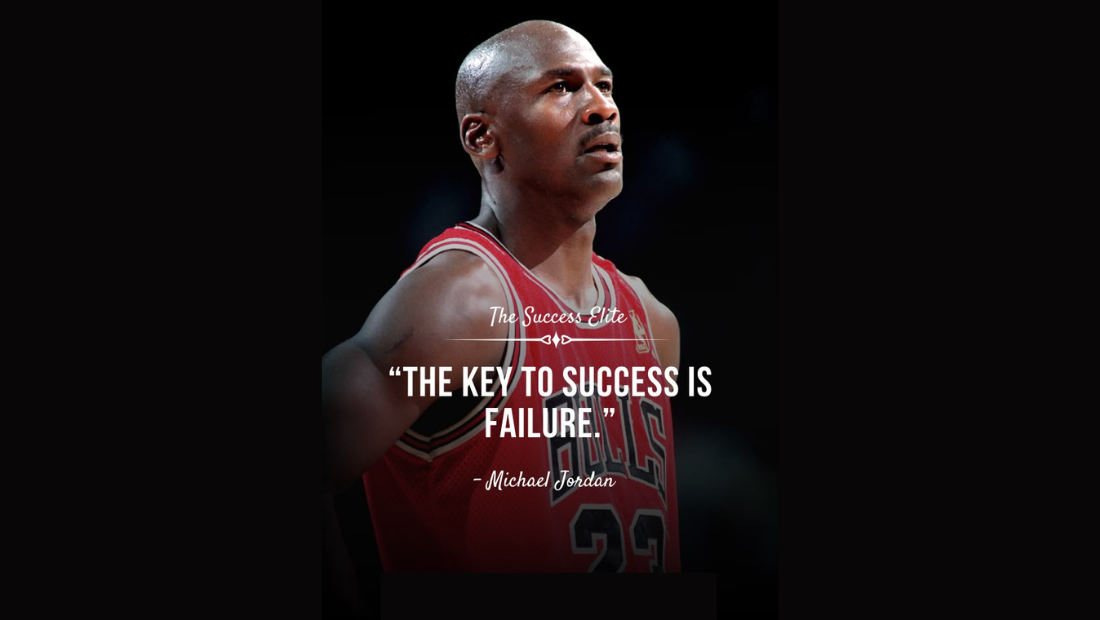
3. Failure Is R&D: They asked, “Where did we fall short?” Failure became feedback.
4. Innovate Deeply Before Expanding Broadly. They didn’t just make drones fly. They stabilized them. They optimized them. They mastered their niche — then expanded.
5. Execute Brilliantly: They didn’t remain a campus project. They stepped onto the global stage — and delivered.
Years later, I still follow their journey. And I say this with sincerity and pride:
Being a small witness to their earliest excitement — and their first disappointment — means more to me than any trophy. As an educator, there is no greater reward than watching your students surpass you… and then change the world.
I did not hand them the first-place trophy that day. But perhaps what they received was more valuable than prize money:
Now, whenever I see the DJI logo or watch a film shot with their technology, I remember those young faces — and I quietly think: “Well done. You didn’t quit.”
That is entrepreneurship. Sometimes you don’t win the competition. The judges don’t choose you. But if you take the right lesson and keep building, you may not win the room. You may win the world.
So if someone tells you today, “This isn’t good enough,” remember Frank Wang. That sentence might just be the first brick of your empire.