Success is often celebrated in entrepreneurship, while failure is quietly hidden. Yet the reality is very different. Globally, only about 15–18% of entrepreneurial ventures achieve long-term success. Behind almost every successful entrepreneur stands a series of failed attempts, difficult decisions, and lessons learned through experience.
Thomas Edison famously said:
“I have not failed. I’ve just found 10,000 ways that won’t work.”
This perspective captures one of the most important truths in business and innovation: failure, when approached correctly, becomes valuable feedback.
Modern entrepreneurship increasingly embraces the principles of design thinking — a human-centered approach to innovation built on empathy, experimentation, rapid prototyping, testing, and continuous iteration. In design thinking, failure is not viewed as the end of the process, but as an essential part of discovery. Every prototype, every test, and every unsuccessful attempt generates insights that lead to stronger solutions.
The most successful entrepreneurs rarely succeed because they get everything right the first time. They succeed because they learn faster through iterative trial and improvement. They adapt, refine, and try again.
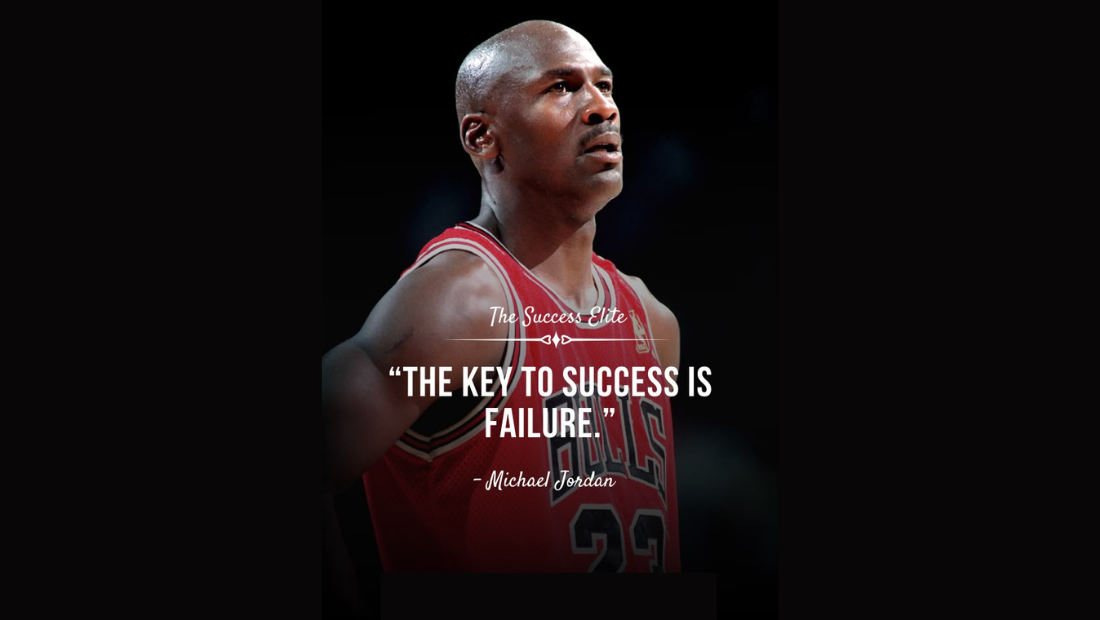
Michael Jordan expressed this mindset powerfully:
“I can accept failure, everyone fails at something. But I can’t accept not trying.”
This philosophy is equally important not only for entrepreneurs, but also for leaders inside large organizations. In today’s fast-changing global economy, companies need entrepreneurial thinking from within — what we call corporate entrepreneurship or intrapreneurship.
During my 25-year leadership career at PepsiCo, I observed that sustainable growth depends on leaders and teams who are willing to challenge traditional approaches, experiment with new ideas, and continuously innovate. Whether entering new markets, transforming organizational culture, or developing new business models, meaningful progress always involves uncertainty and iterative learning.
Not every initiative succeeds immediately. However, organizations that discourage risk-taking through fear of failure often limit creativity and long-term competitiveness. The most resilient companies instead create cultures where intelligent failure is viewed as part of the innovation process.
When failure is treated as rational feedback rather than emotional defeat, it strengthens resilience. It encourages individuals and organizations to adapt faster, think deeper, and return stronger. In many cases, setbacks become the foundation for future success.
The entrepreneurial journey is rarely linear. It is a continuous cycle of learning, testing, adjusting, and improving with greater wisdom and experience each time.
For the next generation of entrepreneurs and business leaders, the message is clear: do not fear failure. Fear only the possibility of never trying.
Remember failure is not the opposite of success. It is often part of the path toward it.